
Hemophilia, a rare genetic condition, has been a medical mystery for centuries. But now, thanks to advancements in science and technology, researchers are making strides in understanding and treating this disorder. With new treatments, better diagnosis, and novel research, we are breaking down the barriers of hemophilia and bringing hope to the millions of people living with this condition.
Introduction
Welcome to our blog on Breaking Barriers in Hemophilia Research: How Science is Making Strides. Hemophilia is a rare genetic disorder that affects the blood’s ability to clot. This condition can lead to severe bleeding, joint damage, and other complications. However, thanks to advances in science and technology, researchers are making significant strides in understanding hemophilia and developing new treatments. In this blog, we will explore the latest breakthroughs in hemophilia research and the impact they are having on patients’ lives. We will also discuss the challenges that researchers face in this field and the importance of collaboration and innovation in overcoming them. We hope that this blog will inspire you to learn more about hemophilia and the incredible work being done to improve the lives of those affected by this condition. So, let’s dive in and explore the world of hemophilia research together!
What is Hemophilia?
Hemophilia is a rare genetic disorder that affects the blood’s ability to clot properly. People with hemophilia are at a higher risk of bleeding and bruising, and even minor injuries can lead to serious complications. However, thanks to advancements in hemophilia research, there is hope for those living with this condition. Scientists are making strides in developing new treatments and therapies that can help manage hemophilia symptoms and improve quality of life. For example, gene therapy is a promising approach that involves replacing the faulty gene responsible for hemophilia with a healthy one. Additionally, researchers are exploring new ways to prevent bleeding episodes and improve clotting factor replacement therapy. With continued dedication and investment in hemophilia research, we can break down barriers and improve the lives of those living with this condition.
History of Hemophilia Treatments
The history of hemophilia treatments is a fascinating one, filled with breakthroughs and challenges. In the early days, hemophiliacs were treated with whole blood transfusions, which were often ineffective and carried the risk of transmitting infectious diseases. Later, cryoprecipitate was discovered, which contained the clotting factor that hemophiliacs were missing. This was a major breakthrough, but the process of collecting and processing the cryoprecipitate was time-consuming and expensive. In the 1980s, synthetic clotting factors were developed, which revolutionized hemophilia treatment. Today, scientists are making even more strides, with gene therapy showing promise as a potential cure for hemophilia. These breakthroughs have not only improved the lives of hemophiliacs, but have also paved the way for other genetic disorders to be treated in similar ways. The history of hemophilia treatments is a testament to the power of science and the dedication of researchers to break down barriers and find solutions to even the most challenging medical conditions.
Current Approaches to Hemophilia Research
In recent years, there have been significant strides made in hemophilia research. One of the current approaches being explored is gene therapy, which involves introducing a healthy copy of the faulty gene that causes hemophilia into the patient’s cells. This approach has shown promising results in clinical trials, with some patients experiencing long-lasting benefits. Another approach is the use of novel clotting factors, such as emicizumab, which mimics the function of Factor VIII and has been shown to reduce bleeding episodes in patients with hemophilia A. Additionally, researchers are investigating the use of stem cells to produce healthy blood cells that can be used to treat hemophilia. These innovative approaches to hemophilia research are breaking barriers and providing hope for patients with this rare bleeding disorder. With continued dedication and investment in research, the future looks bright for those living with hemophilia.
The Impact of Science on Breaking Barriers in Hemophilia Research
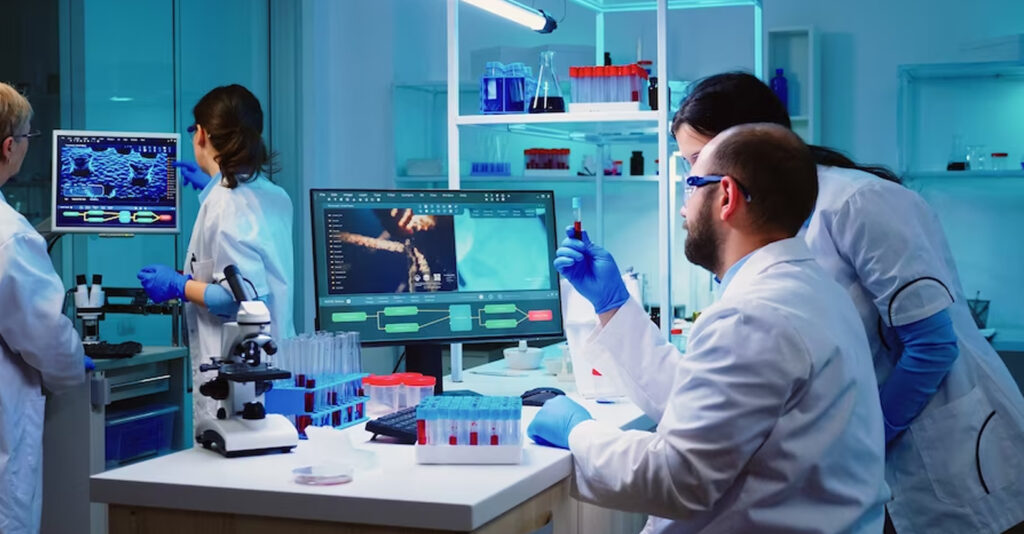
Science has played a crucial role in breaking barriers in hemophilia research. The development of recombinant clotting factors has revolutionized the treatment of hemophilia, allowing patients to lead more normal lives. Additionally, gene therapy has shown promising results in treating the underlying cause of hemophilia, potentially providing a cure for this genetic disorder. The use of stem cells and CRISPR technology is also being explored as potential treatments for hemophilia. Furthermore, advances in diagnostic testing have improved the accuracy and efficiency of hemophilia diagnosis, allowing for earlier intervention and better outcomes for patients. The impact of science on hemophilia research has been significant, and with continued research and innovation, we can hope to see even more breakthroughs in the future. By breaking down barriers in hemophilia research, science is making strides toward improving the lives of those affected by this condition.
Examples of Successful Advances in Research
Advances in hemophilia research have come a long way in recent years, and there are many examples of successful breakthroughs that have made a significant impact on the lives of those living with the condition. One such example is the development of gene therapy, which has shown promising results in clinical trials. This innovative approach involves introducing a healthy copy of the defective gene into the patient’s cells, effectively curing the disease at its source. Another successful advance in research is the use of factor concentrates, which are highly effective in preventing and treating bleeding episodes in hemophilia patients. These concentrates are now available in a variety of forms, including long-acting options that require fewer infusions. Additionally, advances in technology have led to the development of wearable devices that can monitor bleeding episodes and provide real-time data to healthcare providers. These examples of successful advances in hemophilia research demonstrate the power of science to break down barriers and improve the lives of those living with this challenging condition.
Challenges Facing Scientists and Researchers in the Field of Hemophilia
Despite the significant progress made in hemophilia research, scientists and researchers still face a myriad of challenges in their quest to find a cure for this bleeding disorder. One of the primary challenges is the lack of funding for research. Hemophilia is a rare disease, and as such, it does not attract as much funding as other more common diseases. This makes it difficult for scientists to conduct research and develop new treatments for the condition. Another challenge is the limited availability of patients for clinical trials. Hemophilia is a rare disease, and finding patients to participate in clinical trials can be challenging. Additionally, there is a need for more collaboration between researchers and clinicians to ensure that research findings are translated into clinical practice. Despite these challenges, scientists and researchers in the field of hemophilia remain committed to breaking barriers and making strides in research. With continued support and collaboration, there is hope for a cure for this debilitating condition.
Conclusion: How Science is Making Strides in Breaking Barriers in Hemophilia Research
In conclusion, science is making significant strides in breaking barriers in hemophilia research. With the advent of new technologies and innovative approaches, researchers are now able to better understand the genetic basis of hemophilia and develop new therapies that can improve the quality of life of people affected by this condition. From gene therapy to new clotting factors, there are many promising avenues that are being explored in the field of hemophilia research. Moreover, there is a growing awareness of the importance of patient engagement and collaboration, which is helping to drive progress and ensure that new treatments are developed with the needs of patients in mind. While there is still much work to be done, the future looks bright for hemophilia research, and we can expect to see even more breakthroughs in the years to come. By continuing to invest in research and innovation, we can help to ensure that people with hemophilia can live full and healthy lives, free from the limitations imposed by this condition.